Here are two cute floral rabbit images to use in your home Easter decor.
Copy, print and pop in a frame for your Easter display.
Copyright applies.
#freeeasterprintables #easterimages
Here are two cute floral rabbit images to use in your home Easter decor.
Copy, print and pop in a frame for your Easter display.
Copyright applies.
#freeeasterprintables #easterimages
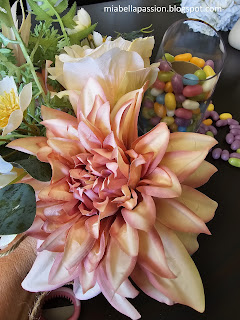
Sometimes finding the perfect centerpiece for a party or event can be a daunting task, but jelly bean vases with artificial flowers are an easy unique and playful solution.
Using a clear vase, fill it up with jelly beans of any colour or shape.
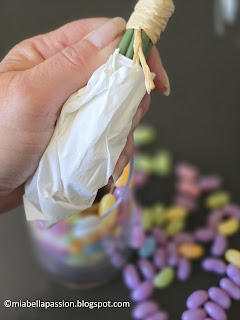
To save on the amount of jelly beans used, you can use a cardboard tube as a central flower holder as I have done.
Once filled, add a few artificial flowers of your choice to create the illusion of a candy-filled garden. Cut the flower stems to the height required and wrap in tissue to help with stability in the tube. Place in the tube and then top up with jelly beans.
Whether you stick with traditional pastel-coloured jelly beans for Easter or go for a bold and bright mix for a summer celebration, the possibilities are endless.
Eye-catching Jelly bean vases with artificial flowers bring fun and playfulness to any function or special event.
I've used mine to embrace a little fun in the Easter decor.
For the latest posts JOIN :)

Easter craft is such fun to create, and what better way to celebrate the holiday than by making a no-sew sock Easter rabbit filled with rice for a cute decoration!
· A sock (the thicker weave the better)
· Uncooked rice
· Twine
· Scissors
· A black marker or paint pen
1. Fill the sock with uncooked rice for the body, making sure to leave enough room for the head.
An easy way to fill it with rice is by putting the sock into a jar and folding it over the sides of it.
Once you have enough rice in the sock for the body remove it from the jar and continue pouring the rice for the head.
2. Tie off the sock with twine, creating the rabbit's body.
3. Tie off the head portion with twine.
4. Holding the sock upright, cut and shape to ears at the top of the head.
5. Using a black pen (or white for a darker-coloured sock) mark the eyes and a cross for the nose.
And there you have it!
Your very own sock Easter rabbit filled with rice.
This cute DIY project makes a great addition to any Easter decor and can be made with materials you may already have at home.
Happy crafting!
If you're looking for a fun and delicious activity to do with your family, making cocoa peanut butter rice puff nests is it.
These adorable scrumptious nests are the perfect Easter treats, combining chocolate and peanut butter, and are sure to delight kids and adults alike.
Cocoa Peanut Butter Rice Puff Nests are not only cute but easy to make and perfect to fill with a few mini chocolate Easter eggs.
Here’s how to make them:
· 4 cups of cocoa rice puff cereal
· 1 & 1/4 cups of smooth peanut butter
· 1 &1/2 cups of chocolate chips (milk or dark)
· 31 Mini Chocolate Easter eggs
Coloured cupcake cases
1. In a bowl over hot water in a saucepan or a microwave, melt the chocolate chips. Stir until smooth.
2. Once melted, remove from heat or microwave and stir in peanut butter until well combined.
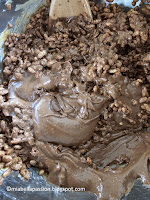
3. Fold in the cocoa rice puff cereal until everything is well coated in the chocolate mixture.
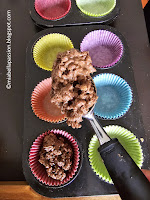
4. Using a spoon or ice cream scoop, place some of the mixture into cupcake cases that have been placed in a muffin tins.
5. Make a small well in the centre of each scoop of mixture to form a nest-like shape.
6. Place the muffin tins in the fridge for about 20 minutes to allow the nests to set.
7. Remove from the fridge and place on plate.
8. Fill each nest with some chocolate Easter eggs.
Yield: 16 Nests
These Cocoa Peanut Butter Rice Puff Nests filled with chocolate easter eggs are sure to impress your guests and satisfy their sweet tooth.
They’re also great to make with kids for a fun and easy Easter activity.
They are a great way to get the children involved in the making, creating, and baking process.
These cocoa rice puff nests are not only cute but also delicious. They make a great addition to any Easter celebration and are sure to be a hit with family and friends. Give them a try this Easter and enjoy the smiles they bring.
Printable Recipe HERE
#easterbaking #eastertreats #easterfood #easterrecipes
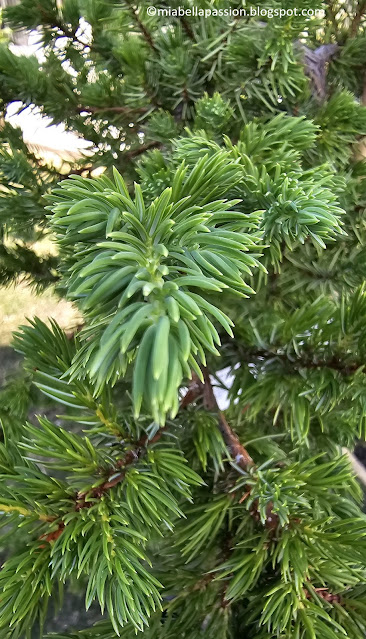
Juniperus conferta, which is also known as shore juniper, is a low-growing evergreen shrub typically used as ground cover or border plant that is native to Japan.
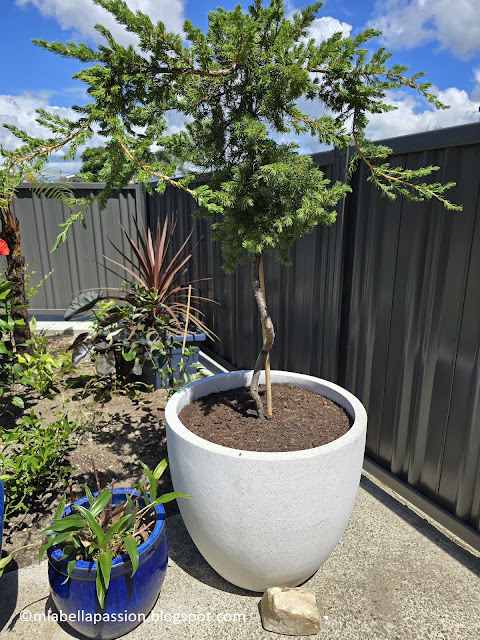
It can also be trained to grow as a tall standard tree form, that can add interest and diversity to a landscape.
If you want miniature, these make fabulous bonsais too.
Bonsai is the Japanese art of growing miniature trees in pots or containers, and juniperus conferta is an excellent species for bonsai due to its attractive foliage, and ability to withstand pruning and wiring. As a bonsai, it will require bright, indirect sunlight and well-draining soil. Water when the soil is slightly dry, but avoid overwatering as this can lead to root rot. Fertilize during the growing season with a balanced liquid fertilizer. Pruning and wiring can be done in the spring and fall to maintain the shape and size of the bonsai.
It is a shrub that is widely used in general landscaping because of its attractive appearance, dense spreading branches with green pine-like leaves and small Spring flowers that are followed by bluish-black berries.
It is a very hardy low maintenance plant that grows well in a variety of conditions. Preferring well-drained soil and full sun exposure, it's frost and drought tolerant and can withstand coastal conditions such as salt spray and strong winds.
You can propagate using seeds or cuttings.
Grown in a non-standard form it is a popular choice for ground cover as it forms a dense mat of foliage.
It's perfect for slopes and hillsides.
Here are some tips for growing Juniperus conferta in a standard tree form.
1. Choose a central leader: When the plant is young, select one stem to be the central leader and prune away any competing stems.
2. Prune regularly: To shape the plant into a tree form, prune away any lower branches that are too close to the ground. Continue to prune regularly throughout the growing season to maintain the desired shape.
3. Provide support: When the plant is still young and developing, provide support with a stake or tie it to a nearby fence or trellis.
4. Water regularly: Juniperus conferta prefers moist, well-draining soil. Water regularly to avoid drought stress.
With proper care, Juniperus conferta can thrive in a standard tree form and be a unique addition to any landscape. By selecting a central leader, pruning regularly, providing support, and watering consistently, you can successfully grow Juniperus conferta as a stunning tree.
I've planted my standard Juniperus Conferta (which I bought directly from a Garden Centre) in a large pot to use in my courtyard as a statement plant.
I love how it looks in the large white pot.
#juniperusconferta #junipers #statementplants #pottedplants