The Intriguing World Of Spider Plants

 Spider plants, scientifically known as Chlorophytum comosum, have become a worldwide favourite among plant enthusiasts.

Spider Pot Plants

Spider plants are a beautiful and versatile pot plant addition to any indoor space. With their rich history and reasonably easy-care requirements, they make the perfect plant for both beginner and experienced gardeners alike. 

They are a popular indoor plant due to their air-purifying qualities, and unique appearance, with thin sword-like leaves having a centre cream white stripe.

My mother had a spider pot plant growing when I was a child, and I remember being fascinated by the 'babies' the plant prolifically produced.

Spider Pot Plants

I have mine at the 'Town House' in a large white pot on a display cabinet in my kitchen.

It's a perfect position, as it has the height for the spider plantlets to hang down, there's no draft and it is in bright light.

History of Spider Plants:

Spider plants have been cultivated as ornamental plants for centuries. They were first introduced to Europe in the late 18th century and quickly gained popularity due to their attractive foliage and ability to thrive indoors.

In their natural habitat, these plants are truly a sight to behold.

Spider plants are native to the tropical and subtropical regions of Africa, specifically found in South Africa and Madagascar. In the wild, these plants can be seen growing in the lush forest floors and hanging from tree branches.

One of the most fascinating aspects of spider plants in their natural habitat is their ability to reproduce. These plants produce tiny white flowers that eventually develop into small plantlets, which can be seen hanging from the mother plant like spiders on a web, hence the name "spider plant."

Another interesting characteristic of spider plants is their adaptability to their surroundings. They can thrive in bright and low light conditions, making them a versatile plant growing in the wild, and in homes.

Spider Pot Plants

Caring for Spider Plants: 

Spider plants are relatively easy to care for and can thrive in a variety of environments. Here are some tips for keeping your spider plant healthy:

· Light: Spider plants prefer bright, indirect light. Avoid placing them in direct sunlight as this can scorch their leaves.

· Watering: Water your spider plant when the top inch of soil feels dry to touch. Be sure not to overwater, as this can lead to root rot.

· Temperature and Humidity: Spider plants prefer moderate temperatures and high humidity. Avoid placing them near drafts or heating vents.

· Fertilizing: During the growing season, fertilize your spider plant with a balanced liquid fertilizer every two weeks.

Propagation:

Simply cut off the offshoot plantlets once they have developed roots then plant them in a separate pot with well-draining soil.

Place the new plant in indirect light and water it regularly to encourage healthy growth. 

Pests and Diseases

Like any plant, Spider Plants are susceptible to pests and diseases that can affect their health and appearance.

Monitoring your spider plant for pests and diseases, whilst addressing any issues causing brown tips on the leaves, means you can help your plant thrive and maintain its beauty.

Common pests that can infest spider plants include spider mites, aphids, and mealybugs. Spider mites are tiny arachnids that suck sap from the leaves, causing yellowing and stippling. Aphids are small insects that feed on the plant sap, while mealybugs look like white cottony masses on the leaves.

Spider plants can also be affected by diseases such as leaf spot, root rot, and powdery mildew. Leaf spot is characterized by dark spots on the leaves, while root rot is caused by overwatering and can lead to wilting and yellowing of the leaves. Powdery mildew appears as a white powdery substance on the leaves.

Causes of Brown Tips:

Brown tips on spider plant leaves can be caused by various factors, including overwatering, underwatering, low humidity, exposure to cold drafts, or too much direct sunlight. It's important to ensure the plant is watered evenly, placed in a suitable location, and kept away from extreme temperatures.

Spider Pot Plants

Growing Outside:

Spider plants can be grown in the garden. In fact, they thrive in part shade areas, or under trees with filtered light. They are known once established in suitable conditions to have invasive qualities.  

I grew them at the 'Mia Bella Passions Homestead' garden in a retained border bed where they looked fabulous, but also where I had control of their growth and plantlets.

They tolerate temperatures as low as 35 degrees Fahrenheit (1.6 Celcius).

Spider Pot Plants

For The Vase:

Spider plants make a wonderful addition to the flower vase. Strings of plantlets hanging down the sides of a large vase.  

Spider Pot Plants

Or as I have done, several individual plantlets in a small vase with the double freesias.

New Zealand Bloggers

For the latest posts JOIN :)


#spiderplants #potplants #easytogrowpotplants

Easy Cucumber Salmon Tomato Canapes

 Cucumber Salmon Tomato Canapes are the perfect appetiser for any occasion!

Canape appetiser recipes

        They are the simple solution for a healthy snack or lunch, an appetiser, or a summer treat with drinks at Happy Hour!

With just a few ingredients and minimal prep time, you can whip up a batch of these tasty treats in no time at all.  

Canape appetiser recipes

They take just 15 minutes from prep start to yum delish. 

You can make them ahead of time and store them in the refrigerator until you're ready to serve, making them a convenient option for busy hosts. 

Canape appetiser recipesCanape appetiser recipes

    Canape appetiser recipesCanape appetiser recipes

    Canape appetiser recipesCanape appetiser recipesCanape appetiser recipes

Cucumber Salmon Tomato Canapes

You Will Need:

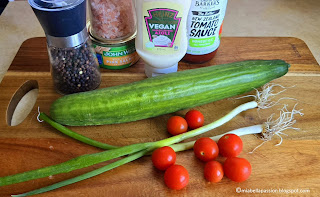
 1 long telegraph cucumber

2 thin spring onion stems

1 (210 gram) can of salmon, drained

1/2 cup aioli

1 tablespoon tomato sauce

Salt and pepper to taste

 Halved cherry tomatoes for garnish

Fresh coriander leaves and violas for plate decoration

To Make: 

1. Cut the cucumber into thin slices.

2. In a small bowl, mix together the salmon, aoli, tomato sauce, one stem of chopped spring onion, salt, and pepper.

3. Top each cucumber slice with a spoonful of the salmon mixture.

4. Top with a cherry tomato half, cut side upwards. 

 Sprinkle more chopped spring onion on the top.

 5. Garnish the place with fresh coriander leaves and viola flowers.

 6. Serve and enjoy!

Canape appetiser recipes

Interesting Facts About Cucumber

Cucumbers belong to the gourd family and are widely cultivated for their edible fruit. 

Yes, fruit! It is not a vegetable.

· Cucumbers are composed of about 95% water, making them a hydrating and refreshing snack.

· They are low in calories but high in beneficial nutrients like Vitamins A, B1, B6, K and C.

· Cucumbers can aid in weight loss, improve digestion, and promote overall hydration.

· They are commonly used in salads, pickles

and even skincare products due to their soothing properties.

· Cucumbers come in different varieties and shapes, which include slicing cucumbers, pickling cucumbers, seedless cucumbers and Apple cucumbers.

Apple cucumbers have a pale greenish-white thin skin and can be eaten like an apple!


For the latest posts JOIN :)


#canapes #appetisers #cucumber  #tuna #easysnacks

White Chocolate Cherry Tart

 Celebrate a birthday, or any special occasion or simply delight your guests, with this delectable dessert.

Sweet Tart Recipes

The tart has a soft chocolate pastry base.

Sweet Tart Recipes

Teamed with a white chocolate custard filling and soft red (jar or canned) cherries hiding throughout it.

It is moist and delicious!

Sweet Tart Recipes

You won't need the juice from the cherry jar or can for this recipe, so I always save it by straining it into a glass.

Topped up with ice-cold water you'll get a lovely refreshing drink as you prepare the tart.

       Sweet Tart Recipes  Sweet Tart Recipes

         Sweet Tart Recipes       Sweet Tart Recipes

Sweet Tart Recipes

Sweet Tart Recipes

White Chocolate Cherry Tart

For The Pastry:

175 grams ( 6.17 ounces) of plain flour

4 Tablespoons of caster sugar

2 Tablespoons of cocoa powder

125 grams ( 4.40 ounces) of butter, chilled and cubed

1 medium egg yolk

1 Tablespoon cold water

In a food processor, pulse the flour and the cocoa to combine. Add the butter and pulse to the crumbling stage.

(if you don't have a food processor you can rub the butter into the flour/cocoa using clean fingers)

Next, add the sugar, then the egg yolk, and water.

You want the pastry to come together in a dough, so add more water if needed.

Press into a 23 x 23cm  (9 x 9 inch)

    Chill for 30 minutes while the oven preheats to 200 degrees Celsius  ( 392 Fahrenheit) 

Bake for 20 minutes.

Set aside to cool while you make the filling.

Reduce temperature to 140 Celsius ( 284 Fahrenheit) now.


For The Filling: 

2 medium eggs, plus the yolk from the pastry

1 teaspoon vanilla essence or paste

200 grams (1 and 1/4 cups) of white chocolate melts

500 ml (2 cups) double cream

250g pitted jar or can of cherries, drained

In a pot whisk together eggs, the egg yolk, and vanilla until combined.

Heat the cream until just steaming, lower the heat, then stirring constantly add the egg mixture. When it is slightly thickened, remove it from the heat and add the chocolate.  

Stir until the chocolate is melted.

Place the drained cherries over the chocolate pastry, and carefully pour over the custard.

Any excess custard can be baked in ramekins to be served with extra cherries and cream.

(I had two ramekins of excess custard)

Bake for 40 to 50 minutes.

Cool completely in the tin.

Cut into pieces to serve.  

Yield: 6 large or 9 small servings.

Printable recipe HERE

Sweet Tart Recipes

Grab a cuppa, and visit

 my Fine Art America gift store

:)

Sweet Tart Recipes

New Zealand Bloggers

For the latest posts JOIN :)


#tarts #cherry #cherrytart #custardtart


All about Airplants & A quick Shell DIY

Tillandsia Air Plants

  Air plants, also known as Tillandsia, are fascinating plants that don't require soil to grow. 

They absorb moisture and nutrients through their leaves, making them unique and ideal for indoor or outdoor decoration.

1. Light

Air plants prefer bright, indirect light. Place them near a window where they can get sufficient sunlight without being exposed to direct sunlight, which can scorch their leaves.

2. Water

To water your air plants, mist them with a spray bottle 2-3 times a week. 

You can also soak them in room temperature water for 20-30 minutes, then shake off excess water and let them dry upside down to prevent water from pooling in the base of the plant which will cause rot

3. Air Circulation.

Air plants need good air circulation to thrive. Place them in an area with good airflow, such as near a fan or open window. This will prevent mould and rot from developing on the leaves.

4. Temperature

Keep your air plants in a room or outdoors with temperatures between 50-90 degrees Fahrenheit (-1 to 32 degrees Celcius). 

They can tolerate quite broad temperatures.

5. Fertilization

Feed your air plants with a water-soluble orchid or bromeliad fertilizer once a month. Mix the fertilizer at half strength to prevent burning the plant's delicate leaves.

***

With proper care and attention to their specific needs, air plants can thrive and add a touch of nature to your indoor or outdoor spaces. 

My outdoor space has a clear-cover roof over the seating area for year-round use.

(No snow in my part of New Zealand).

Tillandsia Air Plants

It has a tropical feel with the throw cushions, cane couch and tropical gardens.

Tillandsia Air Plants

So I decided an air plant in a shell would be the perfect addition to the outside decor.

It is a very easy DIY to create.

Tillandsia Air PlantsTillandsia Air PlantsTillandsia Air Plants
Tillandsia Air Plants

 DIY An Air Plant Shell

You will need:
A large shell
A small air plant
Coconut fibre

To make:
Soak the plant in water for 20m minutes and drain upside down.
Line the shell with coconut fibre.
Place the air plant in the hole.
Tillandsia Air Plants
Place on your shelf, table, coffee table or outdoor table.
Tillandsia Air Plants


Discover Four Fascinating Varieties of Airplants

1. Tillandsia Ionantha

This is one of the most common varieties of air plants, known for its vibrant green leaves that turn a beautiful shade of red when it blooms. It is a small plant that is perfect for terrariums or small containers.

2. Tillandsia Xerographica

With its striking silvery-grey leaves that curl elegantly, the Tillandsia Xerographica is a popular choice for home decor. It is a larger air plant that can stand alone as a statement piece.

3. Tillandsia Bulbosa

The Tillandsia Bulbosa has a unique shape with its bulbous base and curly tendrils. It thrives in humid environments and adds a whimsical touch to any room.

4. Tillandsia Streptophylla

This air plant has thin, twisting leaves that give it a delicate and wispy appearance. It is a slow-growing plant that produces a stunning flower spike when mature.

There are many more varieties of air plants to explore, each with its own distinct characteristics and charm. 

Whether you're a seasoned airplant enthusiast or a beginner looking to add some greenery to your space, there is a Tillandsia out there for you!


For the latest posts JOIN :)


#tillandsia #airplants #shellplanter


Smokey Slow Cooker Pulled Pork

Smokey Pulled Pork

Let's delve into the delectable world of pulled pork.

It's moist, smokey, and a go-to for a family meal or just as a comfort food.

This recipe is my own adaption to the classic.

Even though it is a long cooking process, it is truly worth every minute of the wait for the final result.

 Leftovers can be placed in portions to freeze for snacks, or sliders, or in a bulk lot to make another meal such as a potato top pie.

Smokey Pulled Pork

Smokey Pulled Pork

Smokey Slow Cooker Pulled Pork

Ingredients:

2.8kg pork (rump is best)

1 large onion (diced)

300ml bottle of smokey BBQ sauce

Sticky Rub:

1/2 cup brown sugar

1 Tablespoon Dijonase mustard

1 teaspoon cumin powder

1 Tablespoon Smokey Paprika powder

1 Teaspoon Salt

Black Pepper to taste

Braising Liquid:

1 cup of apple cider vinegar

Method:

In a slow cooker place half of the diced onion and the apple cider vinegar in the bottom.

Put all the sticky rub ingredients in a bowl and mix well.

If you have a bone in your pork as I did, remove it.

Also, remove the skin leaving a small layer of fat.

Rub the sticky rub all over the pork.

Place in the slow cooker on top of the onion and cider vinegar.

Sprinkle the other half of the onion over the top.

Cook on high for 8 hours, turning meat over halfway.

Drain off the braising liquid leaving about half a cup in the cooker.

Use two forks to pull the pork.

Add the smokey BBQ sauce and toss through the meat.

Smokey Pulled Pork
Mix the brown sugar, mustard, cumin powder, salt and black pepper together. 

 Smokey Pulled Pork
Dice the onion.   
Smokey Pulled Pork
Massage sticky rub on both sides of prepared pork meat.
Place half the onion in the slow cooker. Add the vinegar.
Place the rubbed pork on top.
Sprinkle the rest of the onion over this.
Cook as per recipe instructions.

         Smokey Pulled Pork Smokey Pulled Pork Smokey Pulled Pork
Drain the liquid reserving half a cup. Then pull pork using two forks. Add the Sauce.

Smokey Pulled Pork
This Smokey Slow Cooker Pulled pork is delicious served with a side of potato and vegetable bake.

This amount of pork serves about 6 people.

Printable recipe link HERE.

For the latest posts JOIN :)


#pulledpork #porkrecipes #smokeymeat #meat